My mid-week morning train reads:
• It’s not shameful, it’s savvy: The shoppers redefining how to save money on groceries: The de-stigmatization of Aldi and discount-channel shopping. The middle class is normalizing what the working class never had the luxury of pretending was beneath them. (NPR)
• Streaming, Toilet Paper, Underwear: Subscription Fatigue Is Setting In. As companies look to build cash flow and loyalty, everything from heated car seats to earthworm deliveries can become a recurring charge on your credit card. (New York Times) see also Did Streaming Subscription Prices Just Hit the Wall? Ted Gioia on whether streaming has finally maxed out consumer willingness to pay. (The Honest Broker)
• Half of US Home Prices Are at All-Time Highs. Half Are Underwater Since 2022: The bimodal housing market, in one chart. The “national average” is now actively misleading. Half of the country had a real housing recession that the national index hid. One variable explains why. (EPB)
• AI isn’t coming for your job. It’s coming for your mind: AI isn’t just changing what we do, it’s rewiring our brains as we use it, just like literacy did. We’re trading deep thinking for quick answers without realising the cost to memory and judgment. The people who thrive won’t be those who use AI most, but those who can still think without it. Baillie Gifford on the cognitive offloading already happening at scale and what it might cost us. The investment angle is interesting; the bigger point is worth sitting with. (Baillie Gifford)
• How a Job at OpenAI Became the Greatest Lottery Ticket of the AI Boom: Employees waited two years to sell their shares. Then, the company let them unload $30 million. (Wall Street Journal)
• America’s biggest career hurdle: being a daughter: On the unpaid caregiving tax — disproportionately borne by daughters — and what it costs in retirement savings. A real number, finally being measured. Millennial daughters are depleting their savings to care for aging boomer parents (Business Insider)
• At Gawker, They Battled a Billionaire. 10 Years Later, the Scars Are Still Healing: Ten years after Thiel sued Gawker into oblivion, a reckoning with what the case did to media — and to the people inside it. Their weaponized wit made enemies, minted stars and helped define the internet as we know it. A decade after Peter Thiel engineered the site’s spectacular collapse, Nick Denton’s diaspora is still shaping media — and haunted by what happened. (Hollywood Reporter)
• Stephen Miller in Retreat: On Miller’s diminishing influence inside the administration. Ideologues rarely survive contact with operations. The once-powerful aide’s influence has quietly diminished. (The Atlantic)
• What Ethiopian running says about the limits of human ability: A lovely essay on why one Ethiopian region keeps producing world-class distance runners. Genes, altitude, and culture in one stride. One school of training is highly personalised, technical and data-driven. The other is the one that wins marathons (Aeon)
• ‘Being offended isn’t the worst thing. Being poor is’: how Robby Hoffman became a controversial comedy sensation: Profile of Robby Hoffman, the working-class comic who’s becoming impossible to ignore. Genuinely funny, which still counts. She became a controversial comedy sensation, and one of the world’s most successful comedians, with a hit Netflix special, an Emmy-nominated role in Hacks and another opposite Steve Carell. But many of her jokes raise hackles. Is she a genius – or an edgelord? (The Guardian)
Video of the day: Strike Force Five Is And Always Will Be: Kimmel, Fallon, Meyers, Oliver and Colbert.
Be sure to check out our Master’s in Business interview with Howard Lindzon, known as “The Larry David of Finance.” He is General Partner at the seed fund, Social Leverage, he was one of the first seed investors in Robinhood, which IPOd at $30B in 2021, eToro, Manscaped, and Beehiiv. Previously, he founded Wallstrip, a daily online video show acquired by CBS (2007). He also co-founded Stocktwits, which pioneered the “cashtag.” Recognized by Institutional Investor as a “Super Angel;” his podcast is Panic with Friends.
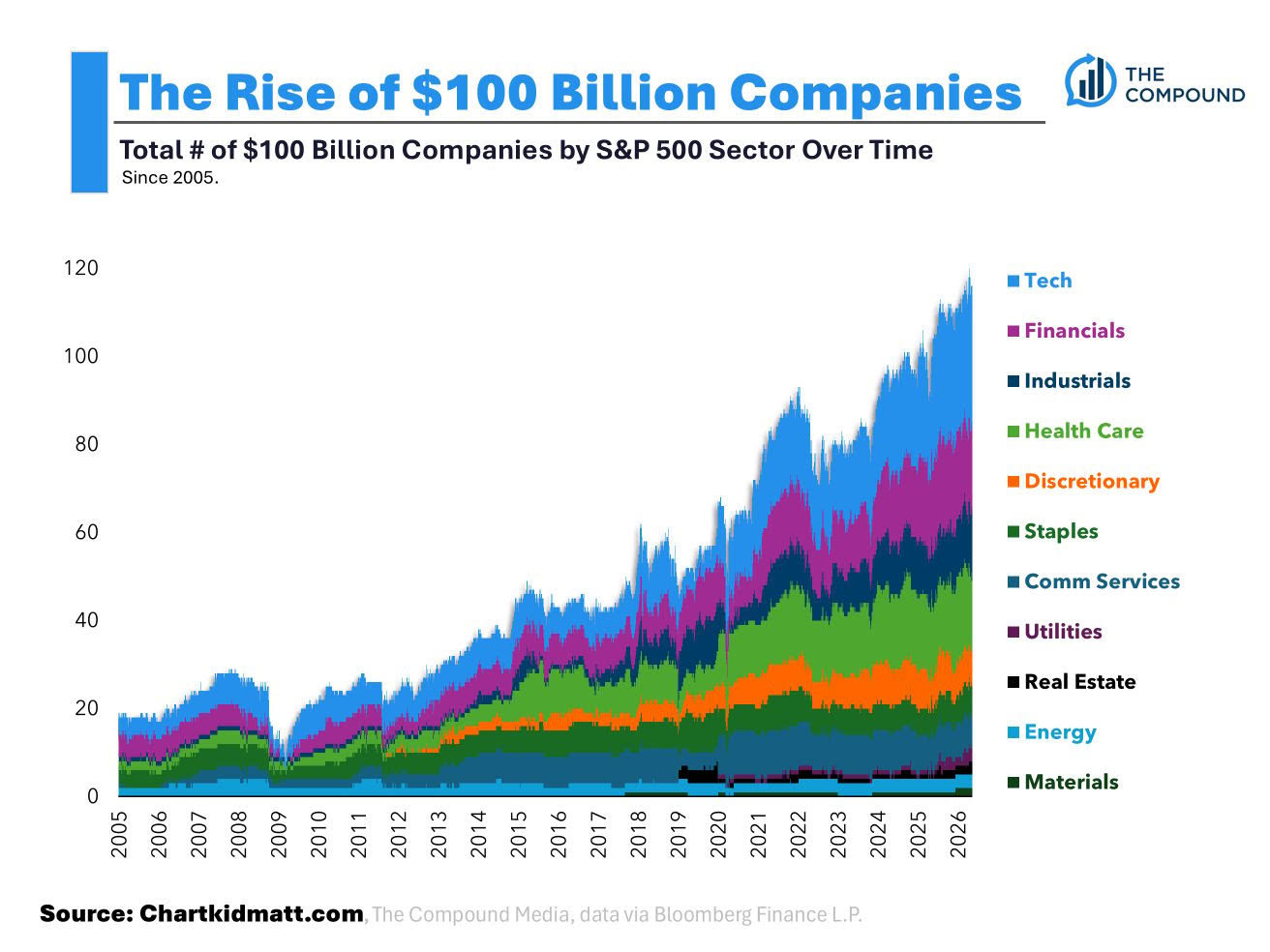
The Rise of $100 Billion Companies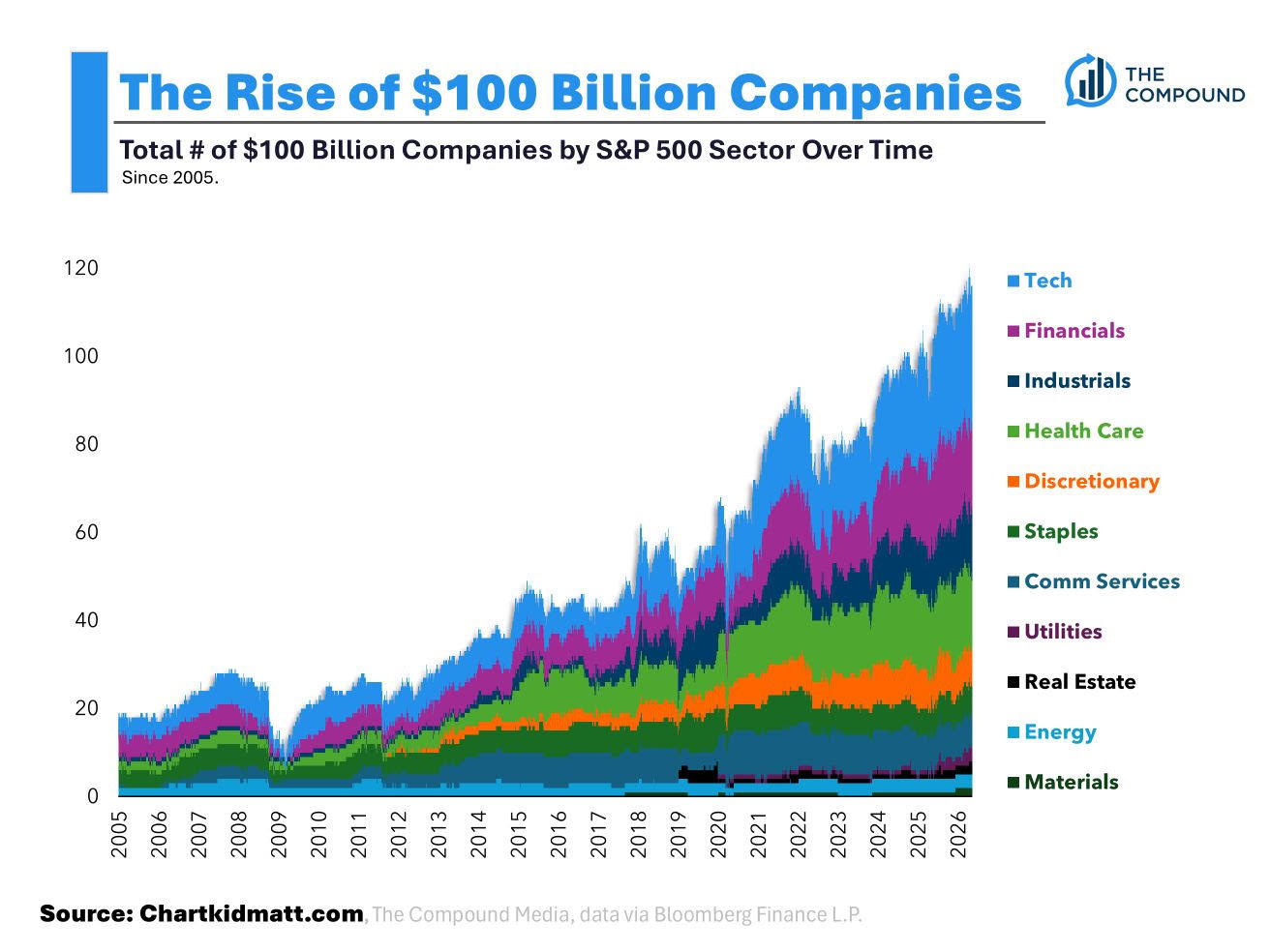
Source: Chart Kid Matt
Sign up for our reads-only mailing list here.
~~~
UPDATE: 2:47 pm:
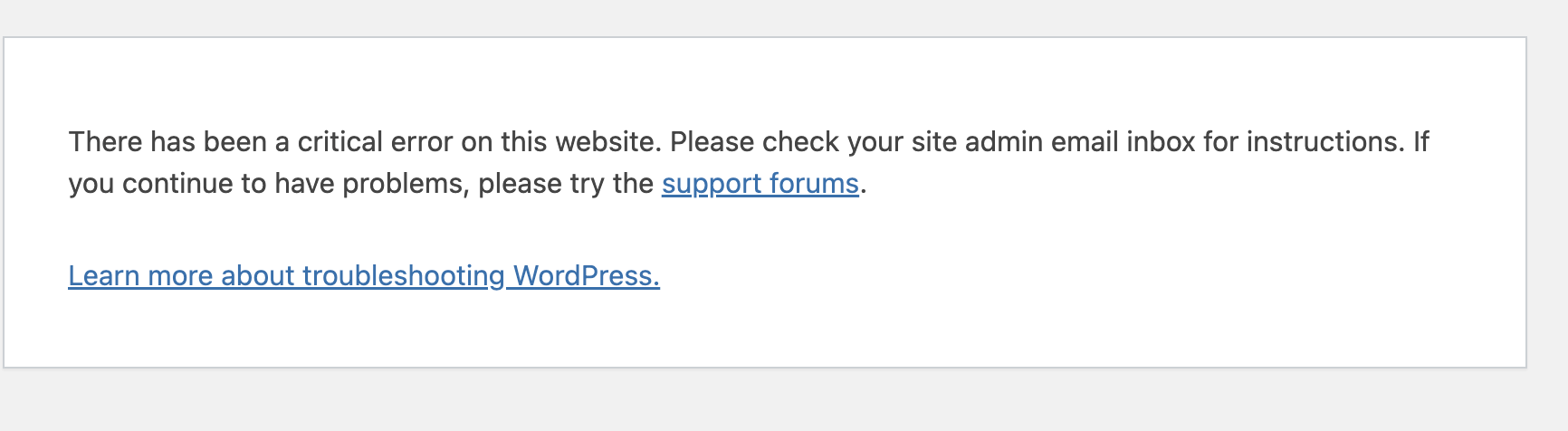
Seems like it was a WordPress memory issue that has since been resolved…
NOTE: 11:07 am:
I have been having these really strange WordPress issues; what was published this AM was an older, prior version — I corrected it this morning to what was saved/scheduled last night at 11:05:53 pm, but it seemed to have dropped from WP
Here is the “Critical Error” message that has shown up…