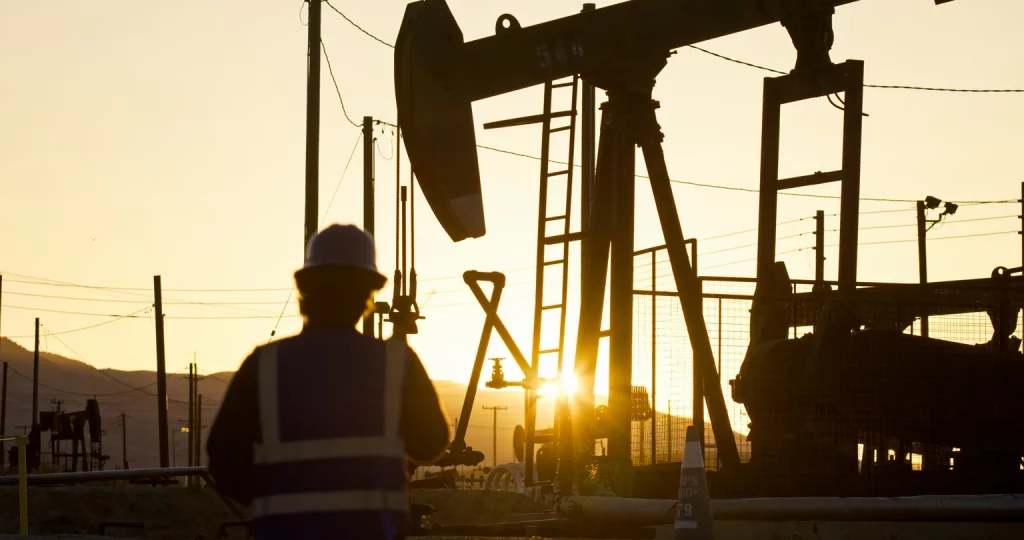
Heading into the 19th century, about 70-80% of all jobs in the industrial world were in agriculture.
Most people were farmers.
By 1870, more than half of all men owned or performed labor on farms.
Today less than 1% of the U.S. population works in agriculture.
Innovation and technology made farming more efficient, so people moved on to factory jobs and eventually white-collar work.
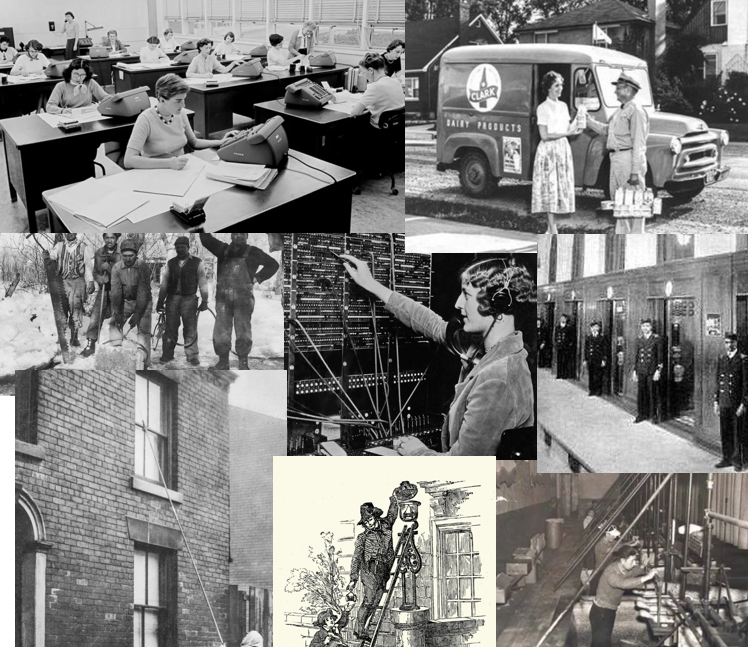
There are plenty of jobs over the years that have been taken out by technology.
Telephone switchboard operators.
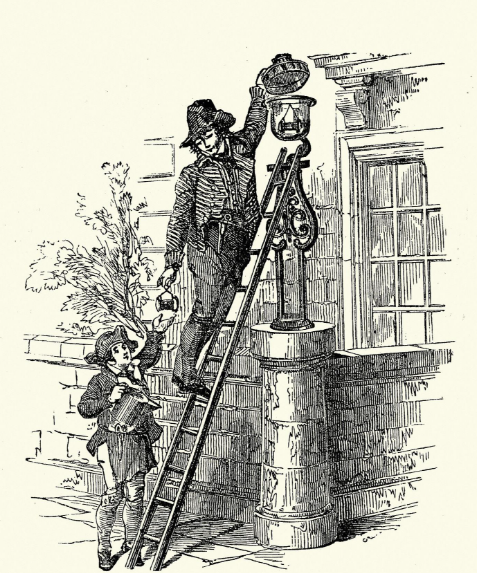
There used to be people who would light all of the gas lanterns on the street by hand. They were replaced by electricity.
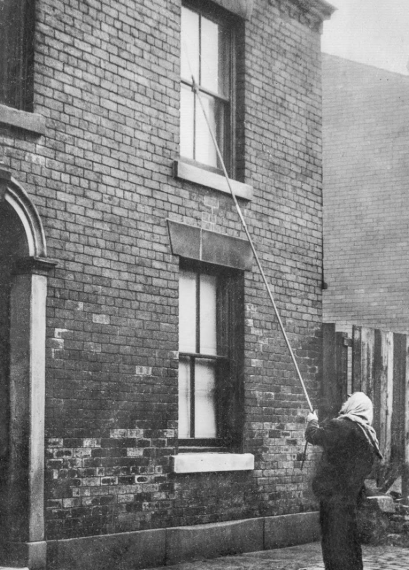
Before alarm clocks, people called knocker-ups used to go around tapping windows to wake people up.
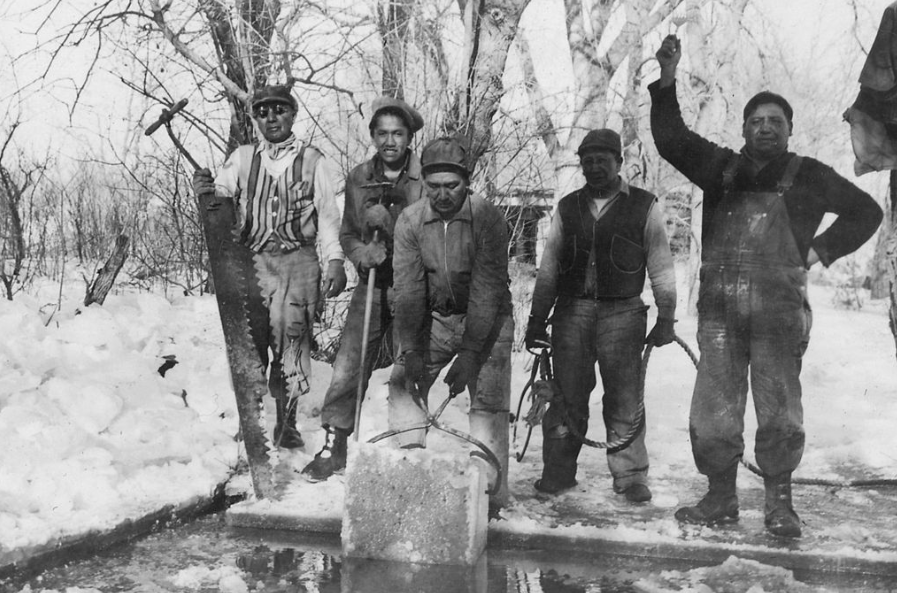
Ice cutters and ice deliverymen were replaced by refrigeration.
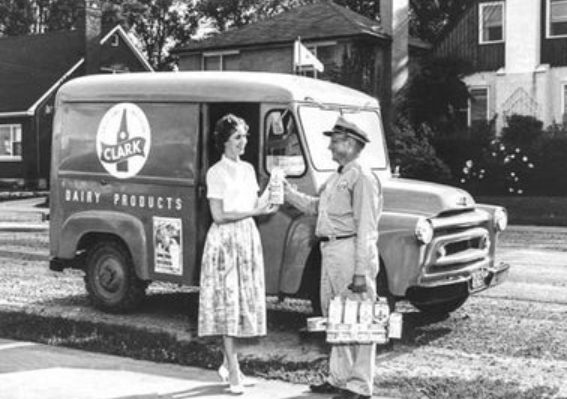
Milk delivery too.
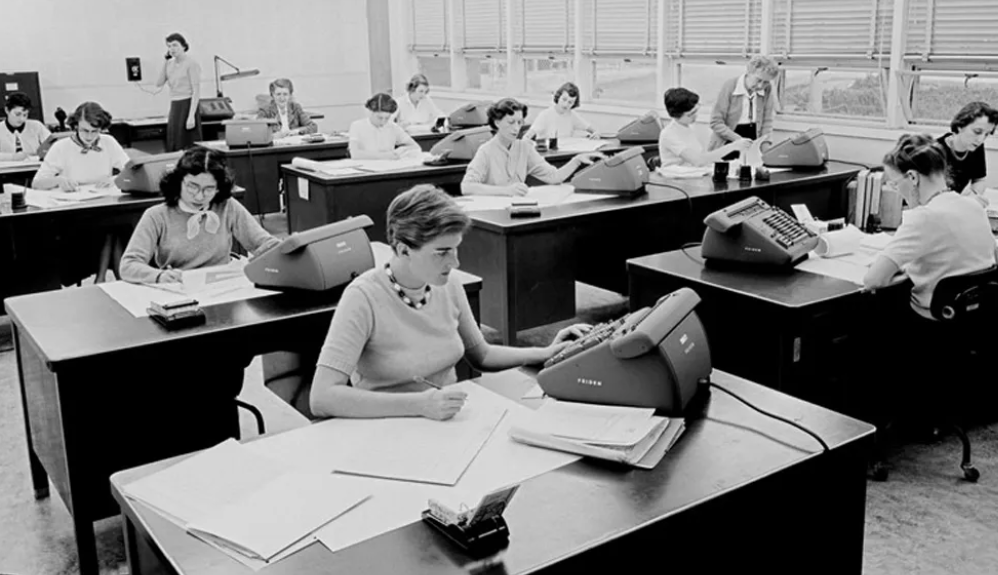
Before computers were around, NASA used human computers who literally did calculations by hand.
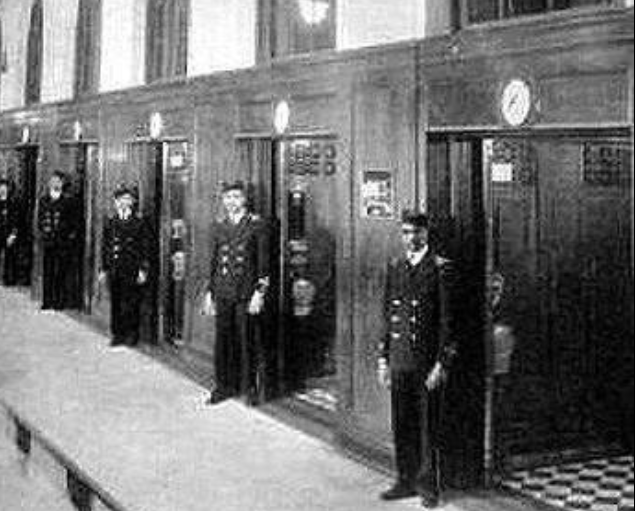
Elevator operators are no longer necessary.
Typists and file clerks were replaced by word processors and computers.
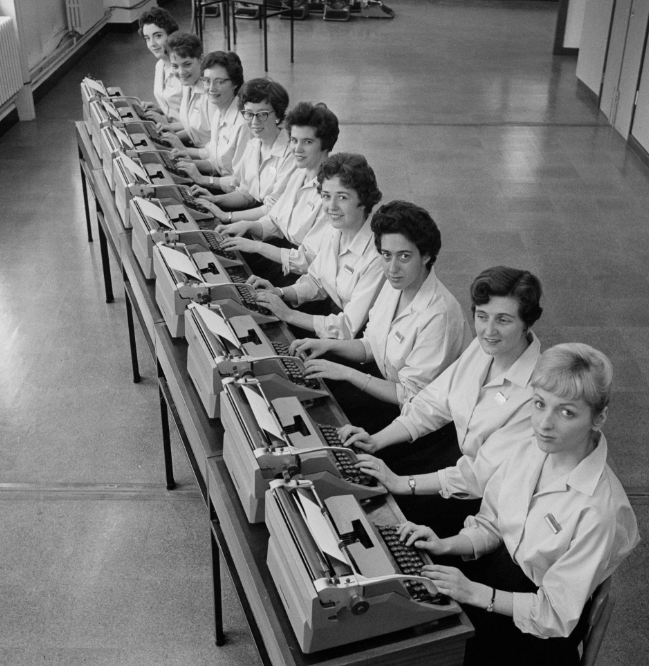
It used to be someone’s job to set up the bowling pins by hand.
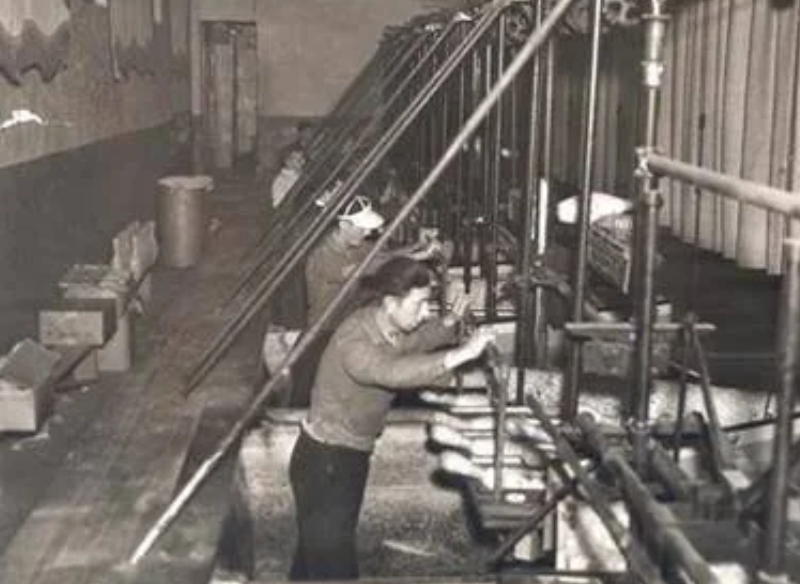
Blacksmiths, carriage operators and stablehands were replaced when automobiles took over for horses as the prime mode of transportation. Now we needed automechanics and taxi drivers.
Assembly line workers were replaced by robots and cheaper labor in developing countries. Many travel agents went out of business when travel booking sites came online. Tollbooth collectors were replaced by machines or automated tolls.
There used to be video store clerks who would be forced to rewind the videos you forgot to rewind (and charge you for their troubles).
I could continue.
All of this job displacement and more has occurred yet the unemployment rate over the past 80 years or so has averaged less than 6%:
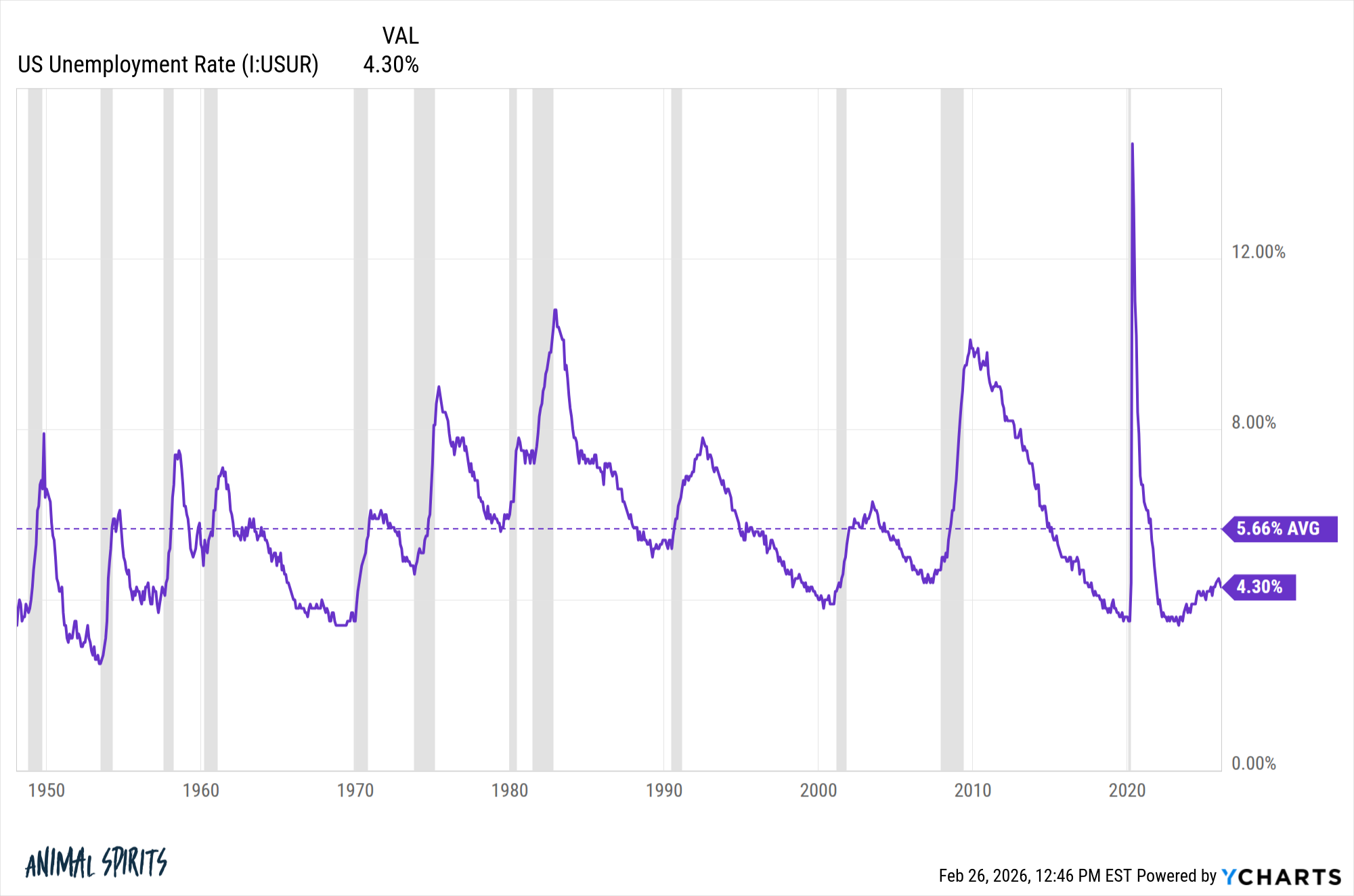
The economy changed. The labor force changed. Jobs changed. And things kept growing.
I’m not trying to minimize the disruption caused by these technological improvements. There was a painful transition as farmers went from rural agricultural work to urban factory jobs. Many of the manufacturing Rust Belt towns were hollowed out as labor was moved overseas to cheaper workers.
There will certainly be a painful transition for many white-collar roles as AI is integrated into the workflow. I’m sure there are jobs out there that will be impacted by AI that we’re not even considering right now.
But new roles will also be created. AI will make so many people better at their current roles. That’s going to lead to more opportunities.
For many workers and businesses, AI will lead to more customers. Lawyers will be able to file more lawsuits. Tax accountants will be able to file more taxes. Financial advisors will be able to handle more clients. When bottlenecks are removed, output increases.
In a recent podcast, Marc Andreessen discussed the fact that tasks at your job evolve over time but jobs can also persist through those changes.
He uses the historical example of an executive who used to have a secretary for typing up memos, messages and such. Now, the executives type their own messages and send them via email. This is more productive but the secretary still has a job. They are simply performing new tasks. That’s what he thinks AI will do for most workers.
Tasks themselves are not necessarily solutions to problems. Most businesses are created to solve a problem. People will still be required to do so.
One of the biggest unintended consequences of the pandemic was the explosion in business applications:
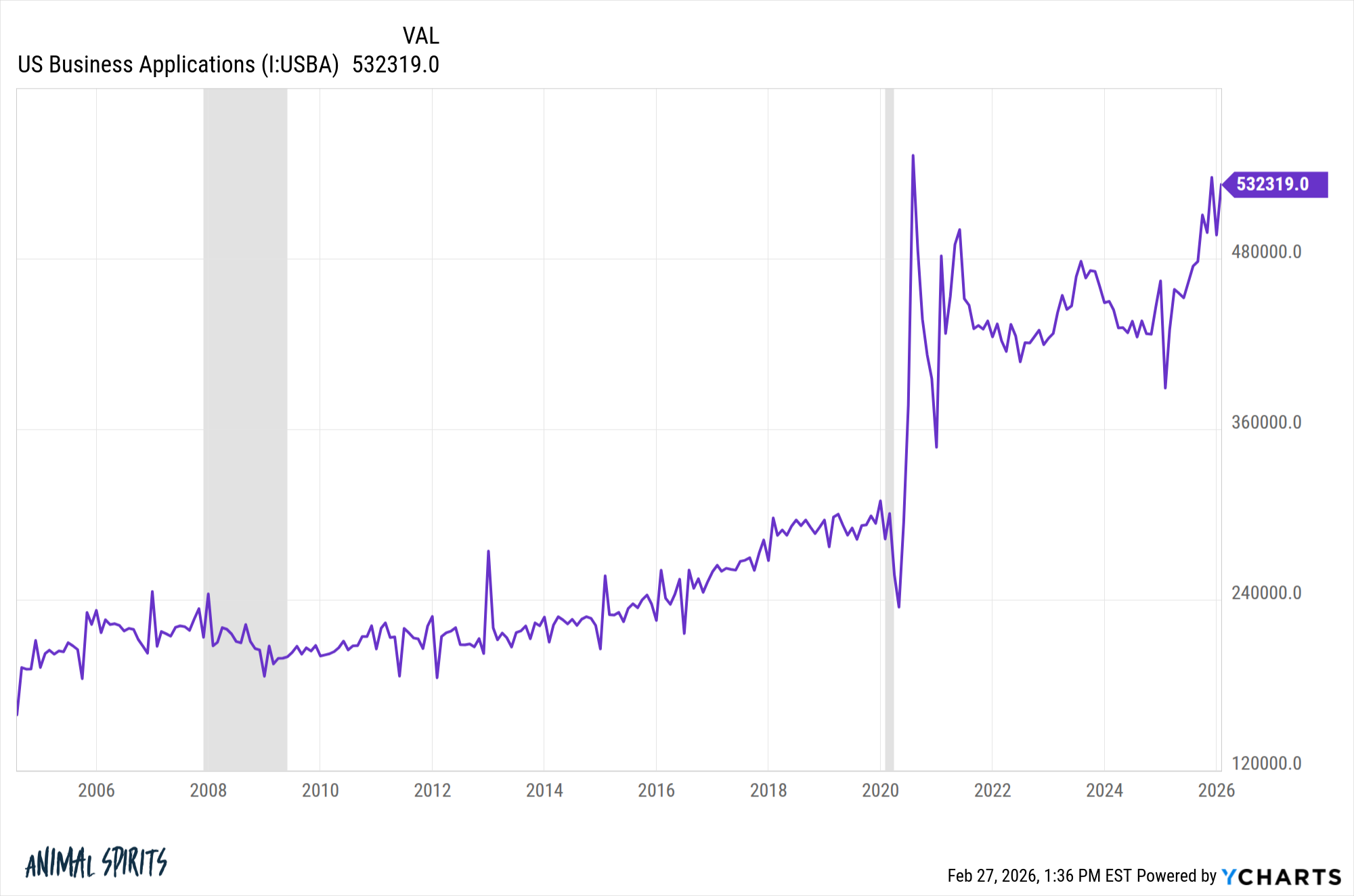
I think AI could send this trend into hyperdrive. The tools available will make it easier than ever to learn/build/code/grow a business faster than ever before.
There are a ton of questions and no clear answers at the moment when it comes to AI. Certain jobs will likely be displaced. New jobs will be created. Workers who know how to use AI correctly will become better at their current roles. People who don’t will likely be left behind or forced to adapt.
I don’t know what’s going to happen but I’m not in the camp of utopia (total abundance, no one has to work) or dystopia (everyone is unemployed and broke). I’m somewhere in the middle.
All I know is that people are resilient, the economy is dynamic and there are going to be surprising outcomes from this new technology, just like all the ones that came before it.
Michael and I talked all about the potential impact of AI on this week’s Animal Spirits video:
Subscribe to The Compound so you never miss an episode.
Further Reading:
Pros and Cons of Artificial Intelligence
Now here’s what I’ve been reading lately:
Books: